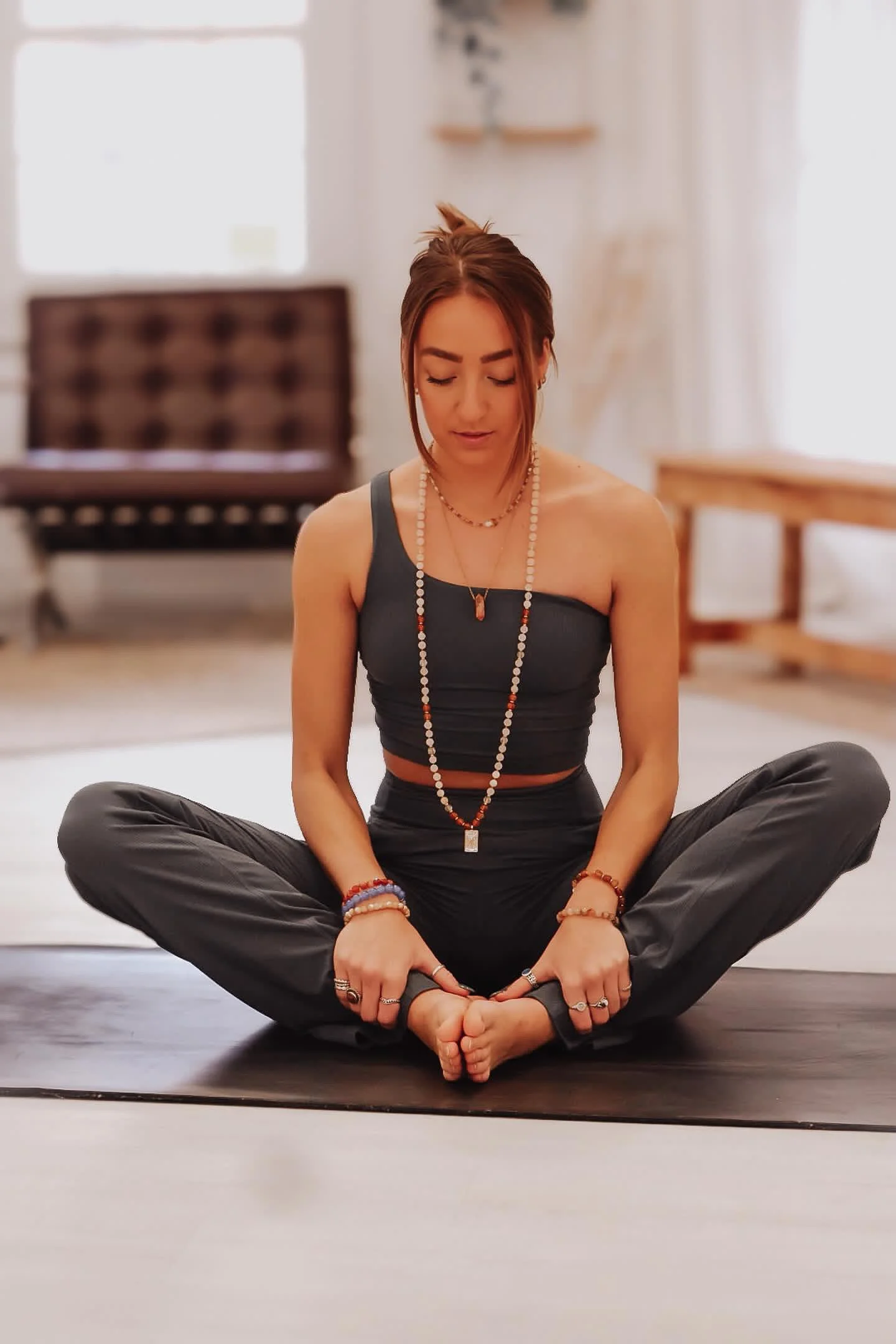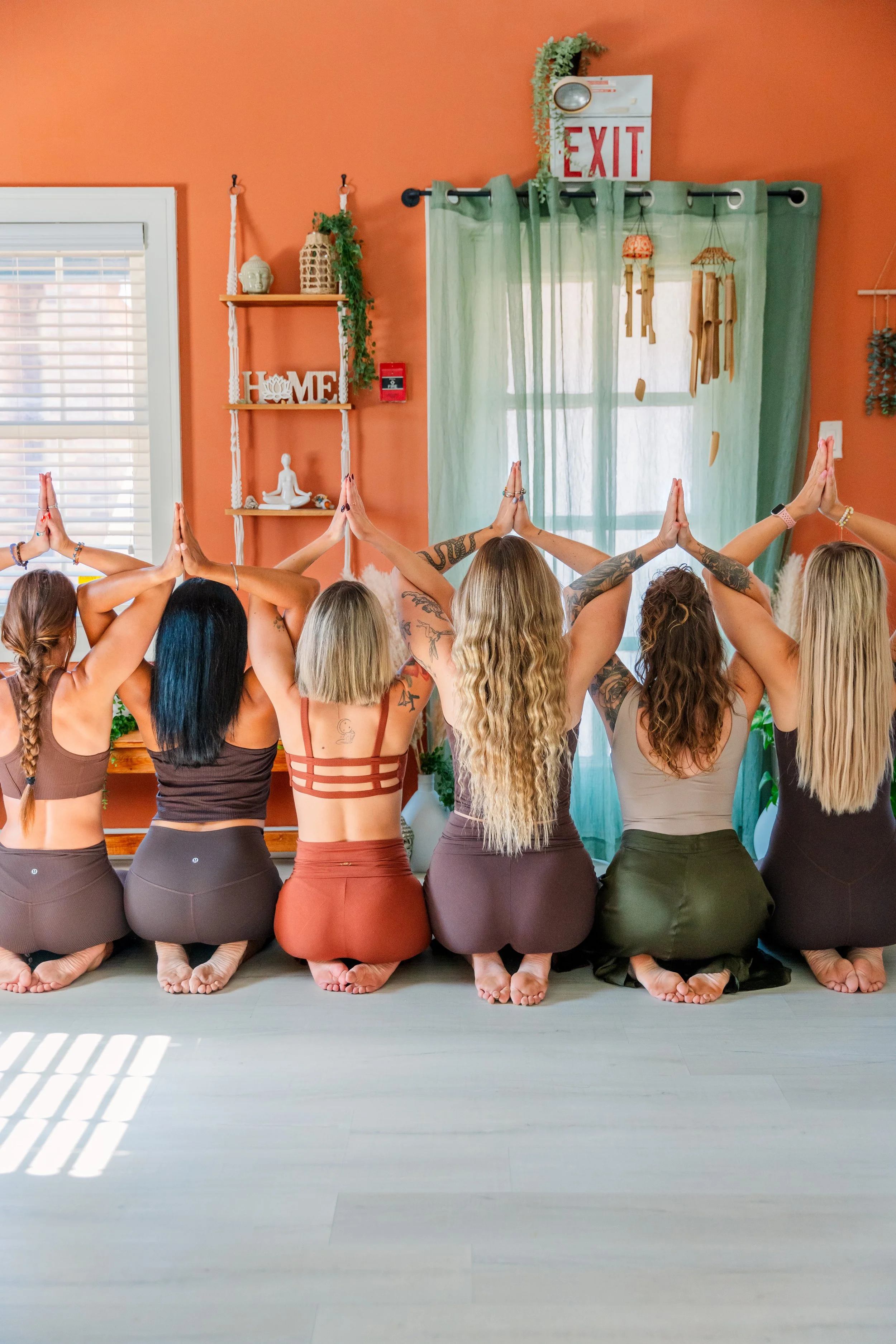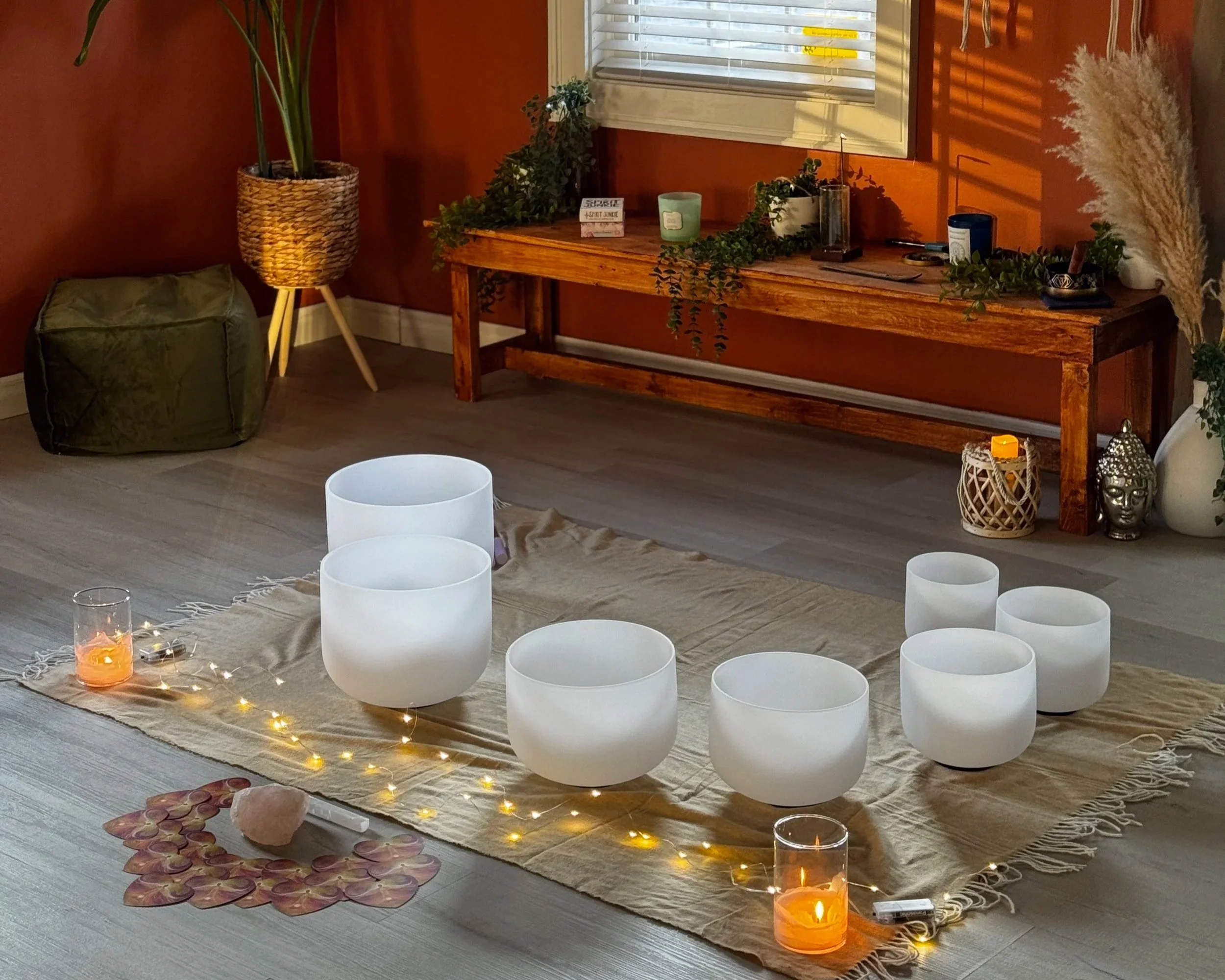
If you've looked into yoga studios in Burlington, you've probably noticed that heat is everywhere. Hot yoga, warm yoga, infrared yoga — the default assumption in a lot of studios is that more heat equals a better practice. At The Lotus Loft, we made a deliberate choice to go in the opposite direction. Our studio is completely unheated, and it wasn't an oversight — it was a decision we feel strongly about.
This post isn't a criticism of hot yoga. Plenty of people love it and thrive with it. But we think it's worth explaining what we believe about unheated yoga, why we built our studio around it, and what it might mean for you — particularly if your nervous system is already running hot.
Burlington's yoga scene is dominated by heat
Walk into most yoga studios in Burlington and you'll feel it within seconds — the wave of warmth, the humidity, the immediate signal to your body that things are about to get intense. Hot yoga has enormous popularity for good reason: the heat increases circulation, loosens muscles quickly, and creates a particular kind of focus that many practitioners love.
But here's what we noticed when we were building The Lotus Loft: very few studios in the Burlington area were offering a genuine alternative. People who wanted a slower, cooler, more introspective practice had limited options. People who found the heat overwhelming or physically uncomfortable had almost none. And people whose nervous systems were already dysregulated — exhausted, anxious, burned out — were being asked to add more heat to an already overloaded system.
We decided to be the studio that didn't do that.
What happens to your nervous system in a heated room
Your autonomic nervous system has two primary modes: sympathetic (fight or flight) and parasympathetic (rest and digest). Most of us in modern life spend far too much time in sympathetic activation — stressed, reactive, struggling to fully switch off. One of the most powerful things yoga can do is shift you from sympathetic into parasympathetic. It can genuinely down-regulate your nervous system and leave you calmer, clearer, and more regulated than when you walked in.
Heat complicates this. Elevated temperatures are a mild stressor on the body. Your heart rate increases, your sweat response activates, and your system mobilises resources to manage the thermal load. For some people and some styles of practice, that's a useful challenge. But for people who are already stressed, already exhausted, or already dealing with anxiety, adding a physiological stressor can work against the very thing they came to yoga for.
We wanted to build a space where your body could genuinely soften — not one where it had to work just to stay comfortable.
What unheated yoga actually feels like
A lot of people who try unheated yoga for the first time expect it to feel easier or somehow less real than a hot class. What they usually find is the opposite. When the room isn't doing the work of loosening your muscles for you, you have to engage more deeply with your breath. The practice becomes more internal, more precise, more honest. You can't rely on the heat to create sensation — you have to find it in the movement itself.
This is especially true in our Slow Flow and Somatic Breathwork classes, where the goal isn't intensity but depth. These classes are designed to take you inward — to quiet the noise, regulate the breath, and create the conditions for genuine rest. In a heated room, that kind of deep stillness is much harder to reach.
Who unheated yoga is particularly good for
We find that our unheated classes attract a specific kind of student — not because we market to them, but because the environment naturally calls them in. People who are burnt out and need to genuinely restore. People with anxiety who find that heat amplifies rather than calms their symptoms. People who are new to yoga and want to learn without the added challenge of thermal stress. People who have been practising for years and want to go deeper rather than harder.
It's also worth noting that unheated yoga is simply more accessible. If you have a heart condition, are pregnant, are postpartum, or are managing certain health conditions, heated yoga may not be appropriate for you. Unheated classes open the practice up to a wider range of bodies and circumstances — and that inclusivity matters to us.
Come feel the difference
New to The Lotus Loft? Try all of our unheated classes for two full weeks with our intro offer. No experience needed.
See Intro OffersOur studio in summer
One question we get during the warmer months is whether an unheated studio gets hot in summer. The honest answer is: it can get warm, especially on Burlington's hottest days. We manage this with fans and airflow, and we're transparent about it on those days. But even at its warmest, our studio never reaches the temperatures of a purpose-heated hot yoga room. The experience remains fundamentally different.
This was always the choice
When I came back from Peru and started planning The Lotus Loft, I knew I wanted to build a space that was genuinely restorative. A place where people could come feeling frayed and leave feeling knitted back together. Heat has its place, but it wasn't the foundation I wanted to build on.
What I wanted — and what I think we've built — is a room where your body can genuinely soften. Where the environment supports your practice rather than adding to what it has to manage. Where you can breathe deeply without your lungs working against the temperature of the air.
If you've been curious about yoga in Burlington but have avoided it because the heat puts you off — we think you might find exactly what you've been looking for up our stairs.